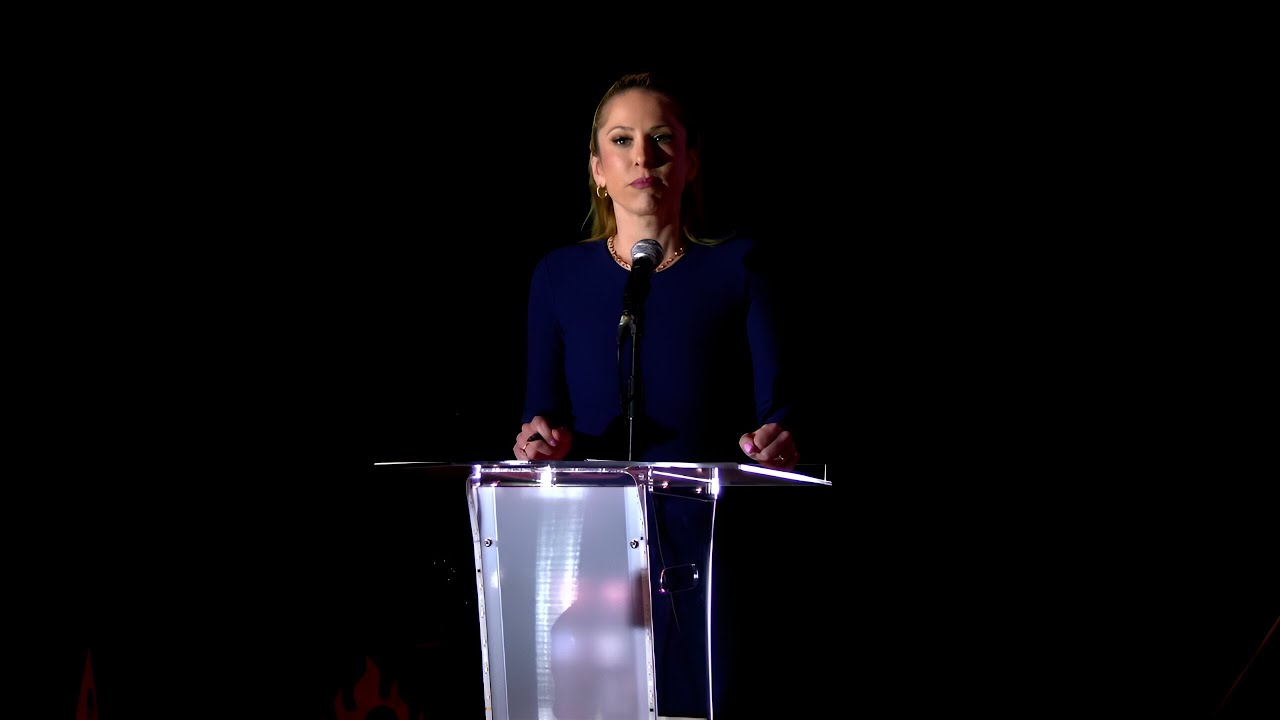
The Portuguese Empire’s formula: Slave trade, faith and ports | Al Jazeera Untangles
▶ Watch the first episode, British Empire: Rule the Waves, here: https://youtu.be/QWq5o7X8OLI▶ Watch the second episode, French Empire: Civilising Mission, here: https://youtu.be/cfy2lTwWY-4
▶ Watch the third episode, Spanish Empire: Sword and Cross, here: https://youtu.be/TJJ9ZeagPRM
The Portuguese Empire was built through ports, trade routes and slavery. Control of fortified ports allowed Portugal to dominate maritime commerce across Africa, Brazil and Asia, creating an empire based on movement rather than territory.
Faith played a central role in legitimising its expansion as missionaries accompanied merchants and military forces. Ports enforced systems of enslavement and forced labour, binding religious authority to economic extraction. Slavery became central to imperial wealth, linking African labour to plantations and markets across the Atlantic.
By integrating slavery into global trade networks, the Portuguese Empire played a central role in shaping modern economic systems, racial hierarchies and patterns of inequality that persist today.
Control once exercised through ports and sea routes increasingly runs through digital infrastructure, including submarine cables and data centres, as Portugal emerges as an important hub linking Europe, Africa and the Americas. Former colonies, such as Mozambique, remain shaped by extractive economic structures rooted in colonial rule while Lisbon faces mounting pressure from mass tourism and foreign real-estate investment, driving displacement and rising housing costs for local residents.
From maritime trade to data flows, the Portuguese model of power - built on controlling circulation rather than territory - continues to influence patterns of inequality in the modern world.
#history #portugueseempire #portugal #slaveryhistory #colonialism #colonialhistory #africa #europe #asia #documentary #aljazeeraenglish Receive SMS online on sms24.me
TubeReader video aggregator is a website that collects and organizes online videos from the YouTube source. Video aggregation is done for different purposes, and TubeReader take different approaches to achieve their purpose.
Our try to collect videos of high quality or interest for visitors to view; the collection may be made by editors or may be based on community votes.
Another method is to base the collection on those videos most viewed, either at the aggregator site or at various popular video hosting sites.
TubeReader site exists to allow users to collect their own sets of videos, for personal use as well as for browsing and viewing by others; TubeReader can develop online communities around video sharing.
Our site allow users to create a personalized video playlist, for personal use as well as for browsing and viewing by others.
@YouTubeReaderBot allows you to subscribe to Youtube channels.
By using @YouTubeReaderBot Bot you agree with YouTube Terms of Service.
Use the @YouTubeReaderBot telegram bot to be the first to be notified when new videos are released on your favorite channels.
Look for new videos or channels and share them with your friends.
You can start using our bot from this video, subscribe now to The Portuguese Empire’s formula: Slave trade, faith and ports | Al Jazeera Untangles
What is YouTube?
YouTube is a free video sharing website that makes it easy to watch online videos. You can even create and upload your own videos to share with others. Originally created in 2005, YouTube is now one of the most popular sites on the Web, with visitors watching around 6 billion hours of video every month.