Israel’s next PM: Can they ‘finish the job’ in Iran? | Eye for Iran | EP 127 |
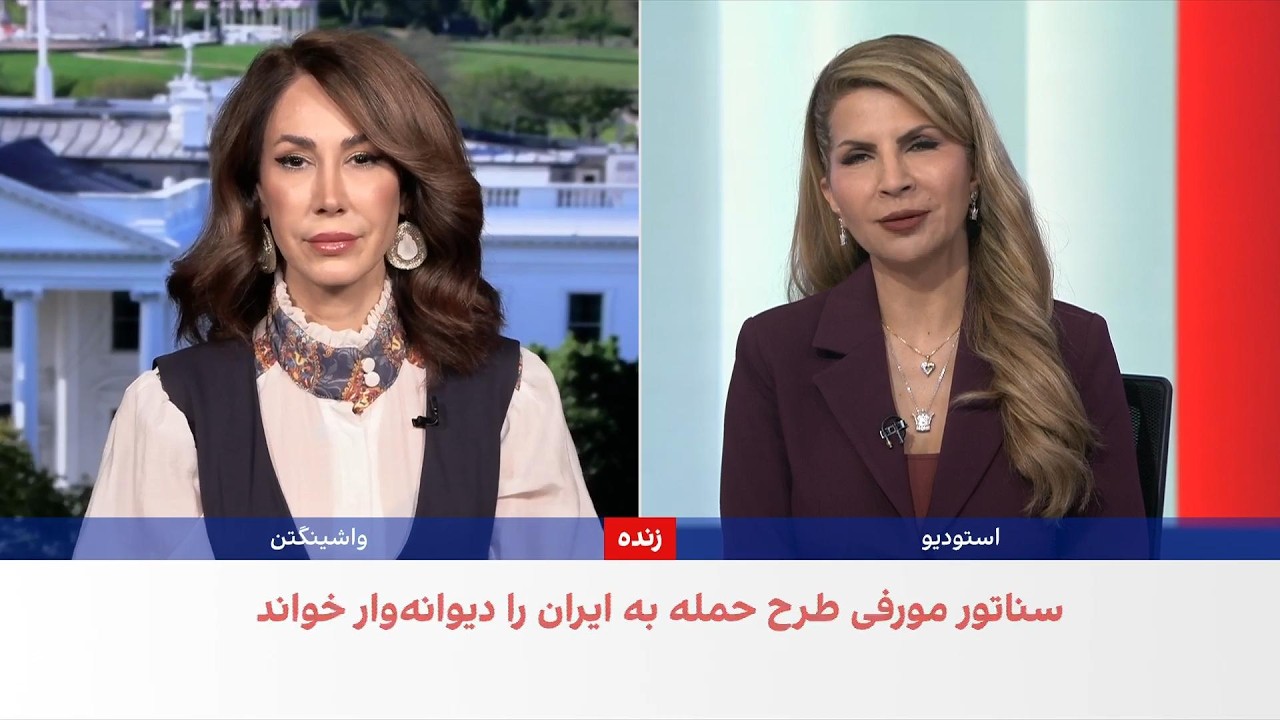
Is the Islamic Republic running out of time?Israeli Prime Minister Benjamin Netanyahu has emerged from a closely contested election promising to eliminate the Iranian threat once and for all. Saudi Arabia, Turkey and Pakistan have dispatched senior officials to Tehran amid fears of another war. And in an exclusive interview with Iran International, US Treasury Secretary Scott Bessent predicts Iran's economy could shrink by more than 25% in a single year.
With oil revenues drying up, economic pressures mounting and renewed US and Israeli strikes looming, could the Islamic Republic be approaching a turning point?
On this episode of Eye for Iran, host Negar Mojtahedi brings together nine journalists, economists and regional experts to examine the military, diplomatic and economic pressures converging on Tehran.
Israel's Election: What Comes Next for Iran?
Netanyahu's Likud has emerged as Israel's largest party, but forming a government remains a challenge. With Netanyahu promising to confront the Islamic Republic alongside President Donald Trump, what might the election mean for Israel's next moves against Iran? And would a change of government make any difference?
Dan Feferman, Middle East researcher and co-founder of Middle East 24; Alex Winston, news editor of The Jerusalem Post; and Benjamin "Benji" Basire, Iranian-born Jewish legal scholar and host of The Benji Show, discuss Netanyahu's political future, Israel's military options and the significance of the election for Iranians.
The Mecca Defense Pact: Can Regional Powers Prevent Another War?
Saudi Arabia's defense minister, Pakistan's army chief and Turkey's intelligence chief have visited Tehran amid escalating Houthi attacks and fears of renewed US and Israeli military action. What prompted this unusual diplomatic initiative, and what can the three countries realistically achieve?
Henri Barkey, senior fellow at the Council on Foreign Relations; historian Shahram Kholdi; and Saad bin Tefla Al-Ajmi, Kuwait's former information minister, examine the motives behind the visit, the military capabilities of the Mecca Defense Pact and the prospects for averting another regional war.
Iran's Economic Crisis: Could the Economy Shrink by 25%?
In an exclusive interview with Iran International, Treasury Secretary Scott Bessent predicts Iran's economy could contract by more than 25% by March 2027, exceeding the contraction recorded during the first year of the Iran-Iraq War. He also warns of further US economic pressure.
With oil exports effectively halted and access to foreign currency increasingly restricted, what would such a contraction mean for ordinary Iranians and the country's political stability?
Kambiz Tavana, the Iran International journalist who interviewed Bessent; economist Mohammad Machine-Chian; and Miad Maleki, former US Treasury official and expert at the Foundation for Defense of Democracies, examine Washington's strategy, Iran's deteriorating economic outlook and the potential political consequences.
Watch Eye for Iran on YouTube or listen on Spotify, Apple Podcasts and other major podcast platforms.
Chapters:
01:53 Chapter 1: Israel's Election: Will Netanyahu finish the job in Iran?
Dan Feferman, Middle East researcher and co-founder of Middle East 24
Alex Winston, News Editor, The Jerusalem Post
Benjamin “Benji” Basire, Iranian-born Jewish legal scholar, political analyst and host of The Benji Show
24:35 Chapter 2: The Mecca Defense Pact: Can regional powers prevent another war?
Henri Barkey, Senior Fellow for Middle East Studies, Council on Foreign Relations
Dr. Shahram Kholdi, Middle East historian
Professor Saad bin Tefla Al-Ajmi, Kuwait's former Information Minister
54:32 Chapter 3: Iran's Economic Crisis: What would a 25% collapse mean?
Kambiz Tavana, Iran International journalist
Mohammad Machine-Chian, Iran International economist
Miad Maleki, former US Treasury official and expert at the Foundation for Defense of Democracies
#iran #israel #unitedstates #israelielections #usmidtermelections #meccapact #houthi #saudiarabia #türkiye #pakistan #scottbessent #operationeconomicoutcast #economicwarfare #economy #iranpodcast #news #irannews #youtubeshorts #youtube Receive SMS online on sms24.me
TubeReader video aggregator is a website that collects and organizes online videos from the YouTube source. Video aggregation is done for different purposes, and TubeReader take different approaches to achieve their purpose.
Our try to collect videos of high quality or interest for visitors to view; the collection may be made by editors or may be based on community votes.
Another method is to base the collection on those videos most viewed, either at the aggregator site or at various popular video hosting sites.
TubeReader site exists to allow users to collect their own sets of videos, for personal use as well as for browsing and viewing by others; TubeReader can develop online communities around video sharing.
Our site allow users to create a personalized video playlist, for personal use as well as for browsing and viewing by others.
@YouTubeReaderBot allows you to subscribe to Youtube channels.
By using @YouTubeReaderBot Bot you agree with YouTube Terms of Service.
Use the @YouTubeReaderBot telegram bot to be the first to be notified when new videos are released on your favorite channels.
Look for new videos or channels and share them with your friends.
You can start using our bot from this video, subscribe now to Israel’s next PM: Can they ‘finish the job’ in Iran? | Eye for Iran | EP 127 |
What is YouTube?
YouTube is a free video sharing website that makes it easy to watch online videos. You can even create and upload your own videos to share with others. Originally created in 2005, YouTube is now one of the most popular sites on the Web, with visitors watching around 6 billion hours of video every month.