La linea di separazione tra scontri militari e attacchi ibridi che coinvolgono i cittadini
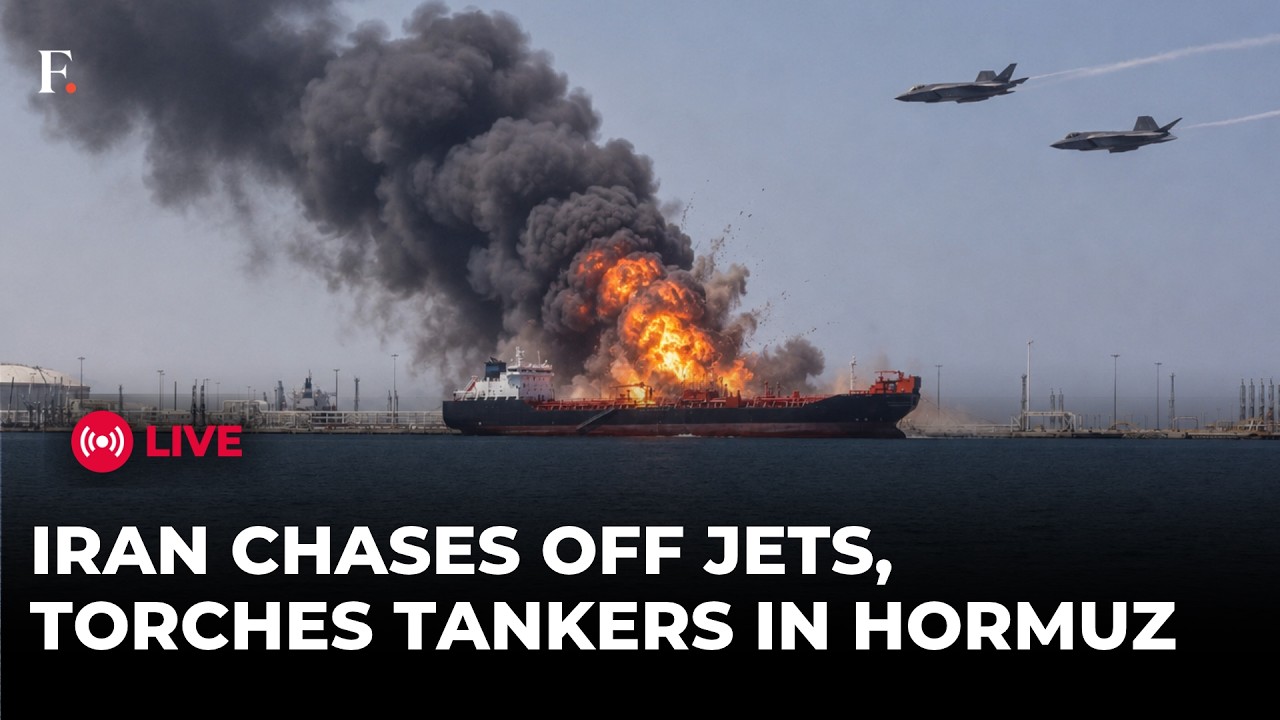
Durante la guerra civile americana, sia la cavalleria confederata sia le truppe unioniste si dedicarono a sabotare telegrafi e linee ferroviarie. Nel 1862, un gruppo di nordisti guidato dall’agente civile James Andrew si infiltrò nel territorio nemico e, a Kennesaw, in Georgia, riuscì a impossessarsi di una locomotiva, a dirottarla, a tagliare i binari, a danneggiare il telegrafo e ad abbattere due ponti. Il treno sparì letteralmente sotto il naso dei confederati. Andrew e metà del gruppo furono catturati dopo sette ore, processati e impiccati. Ma la sortita ebbe il suo effetto: per diverse settimane si interruppe il flusso di munizioni e ricambi. Fu uno dei primi sabotaggi contro un’infrastruttura civile. Durante la Seconda guerra mondiale, questa tattica diventò dottrina. Celebre l’operazione del 28 febbraio 1943, quando un commando norvegese addestrato dai britannici distrusse l’impianto di produzione di acqua pesante della centrale idroelettrica di Vemork. Oggi il fenomeno riguarda anche l’Europa. Perché? Per portare il fronte nelle case dei cittadini, anche a migliaia di chilometri di distanza dalla guerra vera e propria. Il rischio di una guerra sul territorio europeo va misurato con parametri nuovi: sabotaggi, attacchi informatici, rallentamenti delle infrastrutture, voli ritardati e disagi per la popolazione. Ne discutono insieme al conduttore Simone Spetia e a Claudio Antonelli, vicedirettore di 24Ore NextMed, la professoressa Barbara Bracco, docente di Storia contemporanea all’Università degli Studi di Milano-Bicocca, il professor Mattia Caniglia, docente di Security Studies alla University of Glasgow, esperto di guerra ibrida, e Gabriele Della Morte, che insegna Diritto internazionale all'Università Cattolica di Milano. Un reportage a cura di Gigi Donelli racconta l’Ucraina attraverso un viaggio in treno per il Paese. Receive SMS online on sms24.meTubeReader video aggregator is a website that collects and organizes online videos from the YouTube source. Video aggregation is done for different purposes, and TubeReader take different approaches to achieve their purpose.
Our try to collect videos of high quality or interest for visitors to view; the collection may be made by editors or may be based on community votes.
Another method is to base the collection on those videos most viewed, either at the aggregator site or at various popular video hosting sites.
TubeReader site exists to allow users to collect their own sets of videos, for personal use as well as for browsing and viewing by others; TubeReader can develop online communities around video sharing.
Our site allow users to create a personalized video playlist, for personal use as well as for browsing and viewing by others.
@YouTubeReaderBot allows you to subscribe to Youtube channels.
By using @YouTubeReaderBot Bot you agree with YouTube Terms of Service.
Use the @YouTubeReaderBot telegram bot to be the first to be notified when new videos are released on your favorite channels.
Look for new videos or channels and share them with your friends.
You can start using our bot from this video, subscribe now to La linea di separazione tra scontri militari e attacchi ibridi che coinvolgono i cittadini
What is YouTube?
YouTube is a free video sharing website that makes it easy to watch online videos. You can even create and upload your own videos to share with others. Originally created in 2005, YouTube is now one of the most popular sites on the Web, with visitors watching around 6 billion hours of video every month.