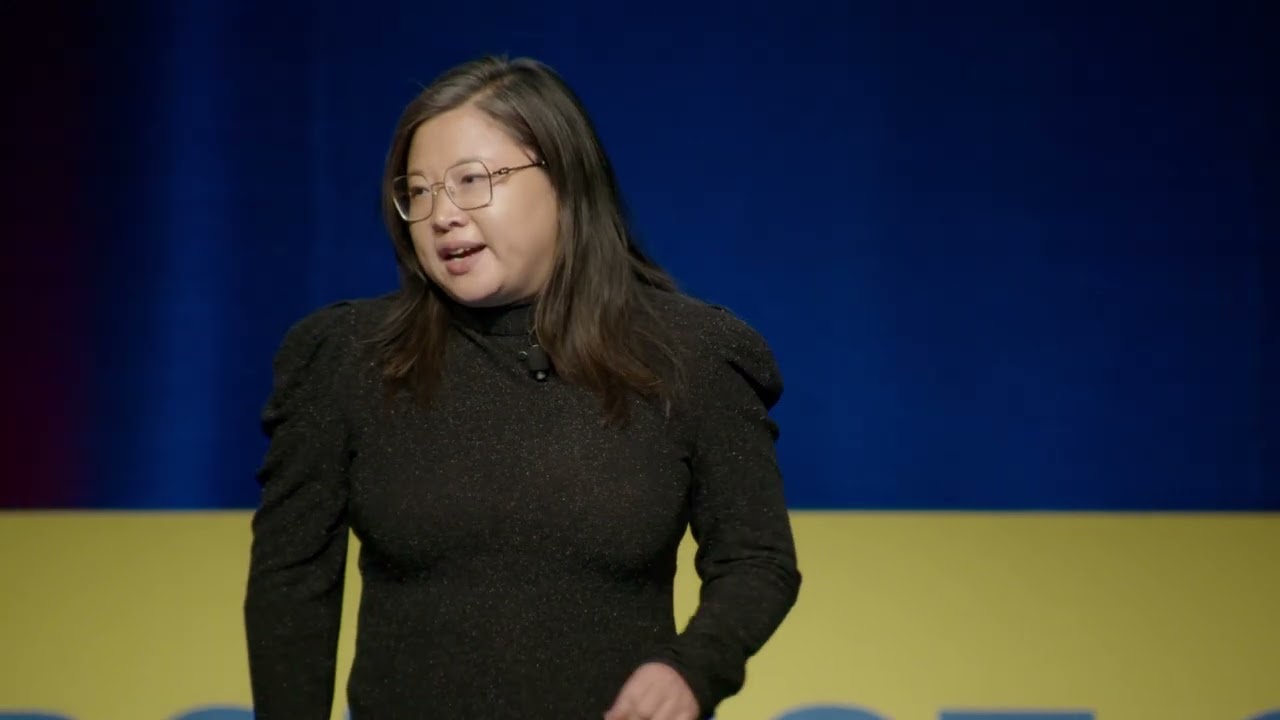
A guide to building a smarter pricing strategy | Carrie Osman (Founder & CEO, Cruxy)
If anyone can copy your features in 20 minutes, how do you price what you build? Randy Silver talks to Carrie Osman, founder of Cruxy, a consultancy that works only with B2B tech companies on product value, packaging and pricing. Carrie trained at Mars, where she ran a pet food P&L, before moving into tech. They cover how to tell if your pricing is right, whose feedback to believe, why AI features that automate a basic job shouldn’t carry a price rise, and why every roadmap item needs a money figure attached.Key takeaways
Weigh feedback by who gave it. In a deal review, score each piece of pricing feedback out of five. A senior, long-standing customer saying you’re underpriced is a five. Someone who saw one demo and has no budget is a zero. Carrie says procurement teams are incentivised to cut list price, so treat their pushback with caution.
Expect to be told you’re overpriced. Carrie says no one will tell you the product is underpriced. Look for patterns across usage, support tickets, integration and API volumes, and buyer calls, and dig only where several signals agree.
Don’t charge extra for what customers already expect. If someone buys your product to do reconciliation, they expect automation to be built in. Carrie’s test for AI features is whether they genuinely change the workflow, for example turning six steps into one or moving from a dashboard to a predictive score.
Keep pricing simple enough to buy. Carrie says most CFOs and procurement teams won’t sign off a token-based “agentic calculator” with 70 variables.
Include everything needed for a good experience in the base product. Charge for add-ons only where one segment has a clear, distinct need and willingness to pay.
Work customer-in, not product-out. Map a day in the customer’s life and look for friction points they can’t articulate themselves.
A moat is more than features. Carrie points to a narrow ICP, a strong partner or bottom-up channel, a customer-obsessed culture, and product marketing and enablement, including a sharp, short demo.
Cheap needs explaining. If you’re pricing low to win market share, say so upfront. Carrie argues pricing too low can signal poor quality, even in B2B.
To diagnose defensibility, overlay data by module. Map the customer workflow, then lay churn, usage, support tickets and tech stack data over your product modules and keep asking why.
Put a size of prize on every roadmap item. Estimate the money saved or earned, for example churn avoided, win-rate gains and partner feedback, and refine it as you near launch. Carrie says inflated numbers are intellectually dishonest and stop you making honest trade-offs.
Chapters
0:00 Intro: protecting your moat when features can be copied fast
0:43 Carrie’s route from Mars pet food to Cruxy
3:18 How do you know you’ve got pricing right?
5:38 How fast to act on a bad signal
6:42 Procurement pushback and scoring feedback by source
10:40 What AI has changed: skipping the fundamentals
12:32 Why AI on a table-stakes job isn’t a price rise
14:48 Changing the number versus changing the model
15:32 Packaging by segment and the trouble with token pricing
19:01 Table stakes, differentiators and add-ons
21:18 Customer-in, not product-out
24:21 Building a right to win beyond features
29:04 Pricing as a quality signal
32:20 Freemium and land grab
35:30 What defensibility means
37:13 Diagnosing where you sit in the stack
40:03 Handling uncomfortable conversations
41:51 Size of prize on your roadmap
44:51 Inflated impact numbers and counting the zeros
47:00 Where to learn more Receive SMS online on sms24.me
TubeReader video aggregator is a website that collects and organizes online videos from the YouTube source. Video aggregation is done for different purposes, and TubeReader take different approaches to achieve their purpose.
Our try to collect videos of high quality or interest for visitors to view; the collection may be made by editors or may be based on community votes.
Another method is to base the collection on those videos most viewed, either at the aggregator site or at various popular video hosting sites.
TubeReader site exists to allow users to collect their own sets of videos, for personal use as well as for browsing and viewing by others; TubeReader can develop online communities around video sharing.
Our site allow users to create a personalized video playlist, for personal use as well as for browsing and viewing by others.
@YouTubeReaderBot allows you to subscribe to Youtube channels.
By using @YouTubeReaderBot Bot you agree with YouTube Terms of Service.
Use the @YouTubeReaderBot telegram bot to be the first to be notified when new videos are released on your favorite channels.
Look for new videos or channels and share them with your friends.
You can start using our bot from this video, subscribe now to A guide to building a smarter pricing strategy | Carrie Osman (Founder & CEO, Cruxy)
What is YouTube?
YouTube is a free video sharing website that makes it easy to watch online videos. You can even create and upload your own videos to share with others. Originally created in 2005, YouTube is now one of the most popular sites on the Web, with visitors watching around 6 billion hours of video every month.