How Iran is preparing for a domestic war against its own people | Eye for Iran | EP 116 |
The war with Iran was supposed to change the equation.But before bombs fall, before presidents decide on war and peace, and before negotiators ever sit across from one another, there is intelligence.
So what does someone who spent decades trying to understand Iran from inside the CIA see happening next?
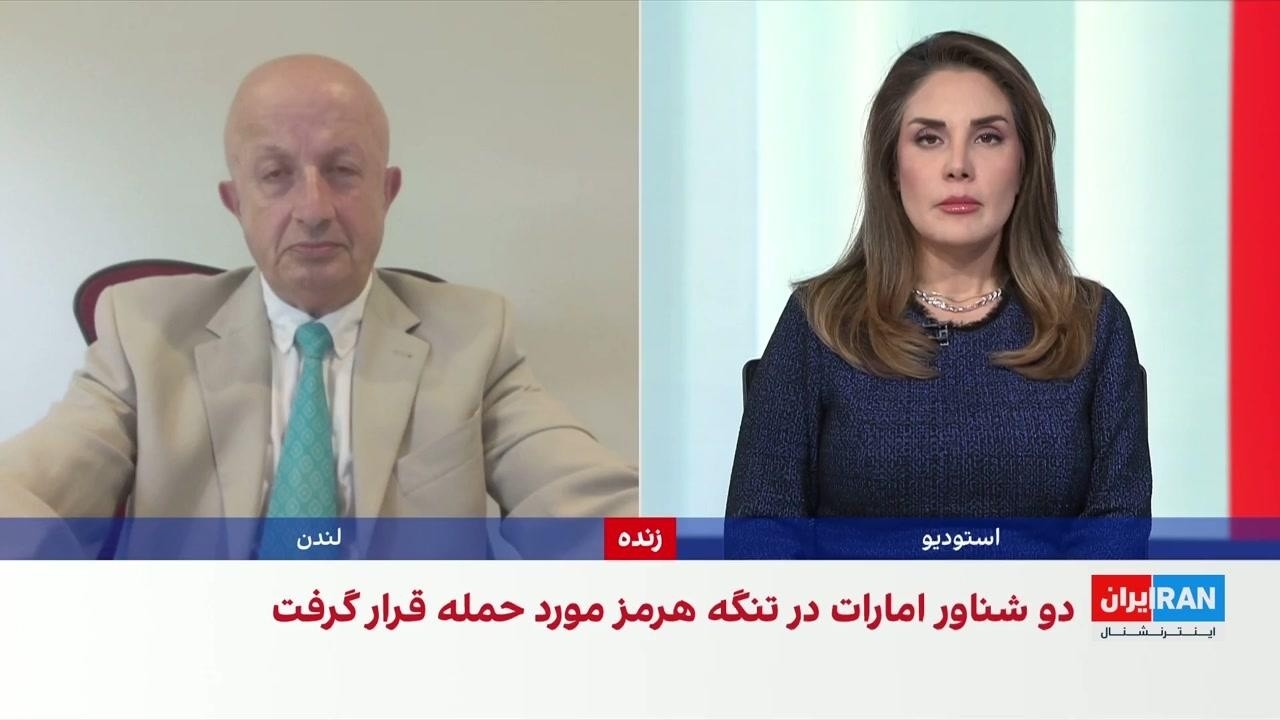
Eye for Iran’s Negar Mojtahedi spoke with Mark Fowler, a decorated former CIA case officer and Farsi speaker who spent 22 years at the agency, rising to the number two position on Iran and Iraq within the CIA and serving overseas as a Chief of Station.
“We are in a test of wills,” Fowler said. “I just don’t know who will blink first.”
Then, inside Iran, some very familiar faces are being put back in charge.
The unseen Supreme Leader Mojtaba Khamenei has appointed six senior commanders across Iran’s armed forces, Revolutionary Guards and Basij, while veteran Guards commander Mohsen Rezaei has been handed one of the most powerful national security positions in the country.
These aren’t young commanders being elevated to build a new Islamic Republic.
They are veterans of the old one.
So is Mojtaba Khamenei rebuilding the command structure for the next phase of war, consolidating his own power or preparing for unrest at home?
Joining the discussion are Kamran Bokhari, senior resident fellow at the Middle East Policy Council and a strategic forecaster, Jason Brodsky, policy director at United Against Nuclear Iran, and Omid Memarian, senior Iran analyst at DAWN.
“There’s been an undeclared coup by the Guard,” Bokhari said.
Brodsky sees signs of an effort to balance competing power centers inside the IRGC.
“I think we have some hints here that the system is trying to thread the needle among different camps within the IRGC, to try to hand out different positions to basically allow these different factions to have different aspects of the system under their control,” Brodsky said.
Memarian argues one appointment in particular may reveal what the regime fears most.
“Putting a veteran intelligence chief in charge of the Basij suggests that Tehran increasingly sees the foreign battlefield and the domestic street as two fronts of the same security challenge,” Memarian said. “The appointment was a sign of anxiety, not confidence.”
And finally, preparations for unrest may extend beyond who controls the streets to how those streets themselves are designed.
In some of Tehran’s most historic areas, the municipality is tearing up cobblestones and replacing them with asphalt.
Iran International journalist Mehdi Sepahvand investigated what is happening and the long history of designing cities with security and social control in mind.
“They are creating plain sight and direct shooting range for their forces,” Sepahvand said.
His reporting examines why replacing cobblestones with asphalt could make it harder for protesters to congregate and easier for security forces and their vehicles to move through the streets.
Taken together, the changes raise a bigger question: Is the Islamic Republic preparing not only for another confrontation abroad, but for the possibility of major unrest at home?
And when the war ends, what happens at home?
Watch Eye for Iran every Friday for three segments on the stories shaping Iran and its future.
Subscribe on YouTube or listen on the podcast platform of your choice.
Chapters:
00:00 Coming Up
02:41 CHAPTER 1: Inside the CIA’s Iran Playbook
Mark Fowler — decorated former CIA case officer, Iran specialist and former Chief of Station
Fowler spent 22 years at the CIA, rising to the number two position on Iran and Iraq. He explains how human intelligence on Iran actually works, how intelligence reaches the president and why he believes the US and Iran have entered a “test of wills.”
34:35 CHAPTER 2 — Who Really Controls Iran Now?
Kamran Bokhari — Senior Resident Fellow, Middle East Policy Council and Strategic Forecaster
Jason Brodsky — Policy Director, United Against Nuclear Iran
Omid Memarian — Senior Iran Analyst, DAWN
The panel breaks down the return of Iran’s old guard, the unanswered questions surrounding Mojtaba Khamenei and whether the IRGC is consolidating power. Bokhari argues there has been an “undeclared coup by the Guard,” while Memarian says the appointments reveal a regime preparing simultaneously for conflict abroad and unrest at home.
1:07:41 CHAPTER 3 - Tehran Is Redesigning Its Streets for Protest
Mehdi Sepahvand — Iran International journalist
Sepahvand investigates why Tehran is replacing cobblestones with asphalt in historic pedestrian areas. His reporting connects the changes to security control, including making it easier for security vehicles to move through protest areas and creating clearer lines of sight for forces
#iran #irgc #cia #iranprotests #iranwar #mojtabakhamenei #iranpodcast #irannews #youtubeshorts #youtube #news #podcast Receive SMS online on sms24.me
TubeReader video aggregator is a website that collects and organizes online videos from the YouTube source. Video aggregation is done for different purposes, and TubeReader take different approaches to achieve their purpose.
Our try to collect videos of high quality or interest for visitors to view; the collection may be made by editors or may be based on community votes.
Another method is to base the collection on those videos most viewed, either at the aggregator site or at various popular video hosting sites.
TubeReader site exists to allow users to collect their own sets of videos, for personal use as well as for browsing and viewing by others; TubeReader can develop online communities around video sharing.
Our site allow users to create a personalized video playlist, for personal use as well as for browsing and viewing by others.
@YouTubeReaderBot allows you to subscribe to Youtube channels.
By using @YouTubeReaderBot Bot you agree with YouTube Terms of Service.
Use the @YouTubeReaderBot telegram bot to be the first to be notified when new videos are released on your favorite channels.
Look for new videos or channels and share them with your friends.
You can start using our bot from this video, subscribe now to How Iran is preparing for a domestic war against its own people | Eye for Iran | EP 116 |
What is YouTube?
YouTube is a free video sharing website that makes it easy to watch online videos. You can even create and upload your own videos to share with others. Originally created in 2005, YouTube is now one of the most popular sites on the Web, with visitors watching around 6 billion hours of video every month.



![JOSEPHINE Trailer (2026) SUBTITULADO [HD] Channing Tatum](https://img.youtube.com/vi/WgSDV6X79-0/maxresdefault.jpg)


![[Einsätze in der Platte] Einsatzfahrten in Berlins Plattenbausiedlungen](https://img.youtube.com/vi/WQ7JRTAGq_M/maxresdefault.jpg)