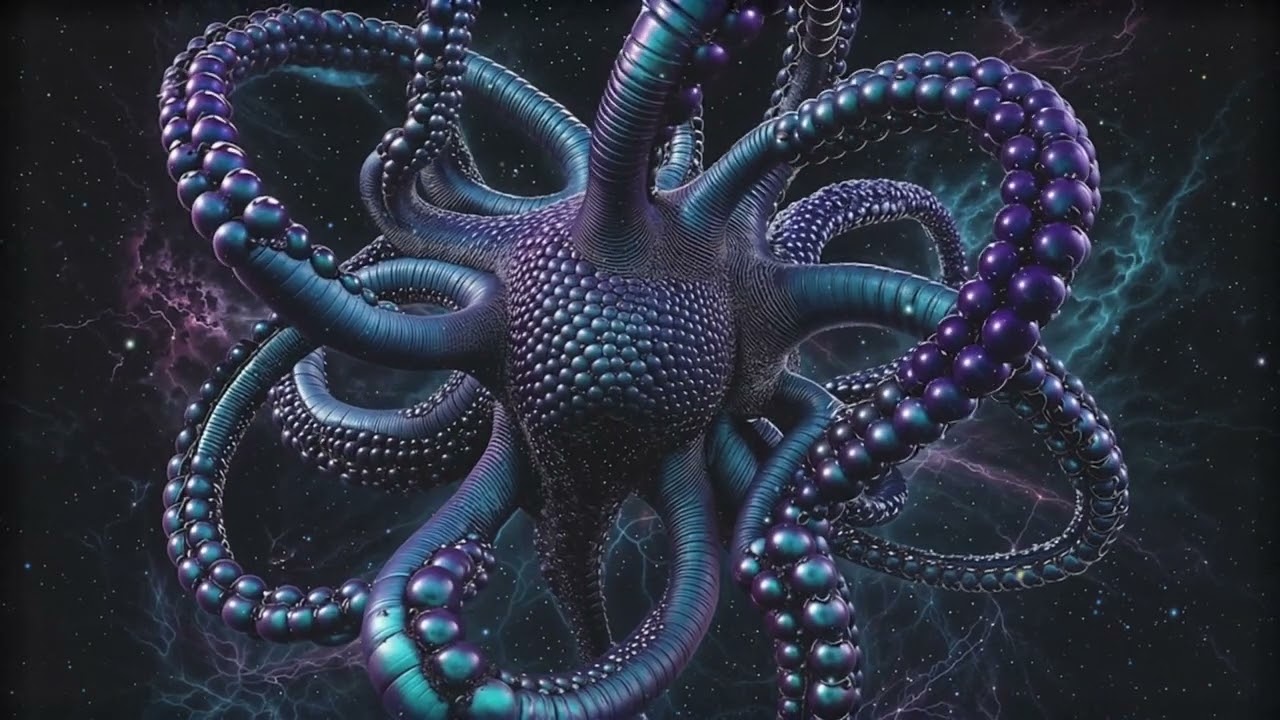
We Built New Gods. Now Reality Answers to Them
Imagine a day in 2026 where every piece of content you see is chosen by an algorithm, not by you. This video explores how algorithmic bias shapes our perception, highlighting the need for internet mindfulness in our daily content consumption. We delve into the implications for our digital mental health and overall digital well-being.We built new gods—and now they shape what you see, think, and believe.
Algorithms don’t just recommend content anymore. They decide relevance, influence reality, and quietly control human attention, power, and culture.
In this video essay, we explore how the internet evolved from a tool into infrastructure—and how a small group of tech platforms and algorithms became the unseen forces shaping modern reality.
We once believed technology would free us. Instead, it learned how to predict us.
From social media algorithms and recommendation systems to digital platforms that influence politics, culture, relationships, and identity, this video examines how power shifted from institutions to code—and why it happened without our consent.
This isn’t a video about “evil AI.”
It’s about algorithmic power, psychological manipulation, and the philosophy of control in the digital age.
We look at:
How algorithms decide what you see on the internet
Why you don’t actually choose your information anymore
How engagement-driven systems reshape belief, outrage, and attention
Why reality now feels fragmented, polarized, and unstable
How tech platforms quietly became the new gods of human civilization
Social media platforms don’t just reflect society—they shape it.
Your feed isn’t reality. It’s a curated version of the world, optimized for engagement, retention, and profit. What goes viral isn’t what’s true, meaningful, or important—it’s what keeps you scrolling.
This video connects philosophy, psychology, and technology to ask uncomfortable questions:
Who controls relevance?
Who decides what matters?
And what happens when human attention becomes the most valuable resource on Earth?
We compare ancient gods to modern digital power structures—how both shaped meaning, behavior, and belief. But unlike the gods of the past, today’s powers are intimate. They know your habits, your fears, your late-night searches, and your emotional weak points.
Algorithms don’t understand truth.
They understand metrics.
And when relevance is automated, reality becomes a product.
This essay dives into algorithmic curation, echo chambers, online polarization, digital manipulation, and the illusion of free will in the age of recommendation engines. It’s about how platforms influence elections, culture, identity, and even your sense of self—without ever announcing their power.
We also explore why leaving the internet isn’t really an option anymore. These platforms are infrastructure. Opting out doesn’t remove their influence—it just removes your voice.
But this isn’t a hopeless story.
Understanding how algorithms work is the first step toward reclaiming agency. Awareness doesn’t break the system—but it weakens its grip. The goal isn’t to reject technology, but to stop worshipping it blindly.
This video is for anyone interested in:
philosophy of technology
psychology of social media
algorithmic control
digital power
free will and manipulation
AI and society
internet culture
modern philosophy
video essays on technology
If you’ve ever felt like the internet is shaping your thoughts more than you’d like to admit—this video is for you.
TIMESTAMPS:
0:00 - Intro: Code as Code
0:36 - Part 1: THE PANTHEON
3:58 - Part 2: THE ALGORITHMS
7:52 - Part 3: RECLAIMING REALITY
Credits:
Music Used- YouTube Audio Library
Visuals: Visuals used in this video are for educational purposes only and used under fair use license.
#philosophy #psychology #humanity #videoessay #commentary Receive SMS online on sms24.me
TubeReader video aggregator is a website that collects and organizes online videos from the YouTube source. Video aggregation is done for different purposes, and TubeReader take different approaches to achieve their purpose.
Our try to collect videos of high quality or interest for visitors to view; the collection may be made by editors or may be based on community votes.
Another method is to base the collection on those videos most viewed, either at the aggregator site or at various popular video hosting sites.
TubeReader site exists to allow users to collect their own sets of videos, for personal use as well as for browsing and viewing by others; TubeReader can develop online communities around video sharing.
Our site allow users to create a personalized video playlist, for personal use as well as for browsing and viewing by others.
@YouTubeReaderBot allows you to subscribe to Youtube channels.
By using @YouTubeReaderBot Bot you agree with YouTube Terms of Service.
Use the @YouTubeReaderBot telegram bot to be the first to be notified when new videos are released on your favorite channels.
Look for new videos or channels and share them with your friends.
You can start using our bot from this video, subscribe now to We Built New Gods. Now Reality Answers to Them
What is YouTube?
YouTube is a free video sharing website that makes it easy to watch online videos. You can even create and upload your own videos to share with others. Originally created in 2005, YouTube is now one of the most popular sites on the Web, with visitors watching around 6 billion hours of video every month.