Iran-US ceasefire: pause before escalation or deal? | Eye for Iran | EP 98 |
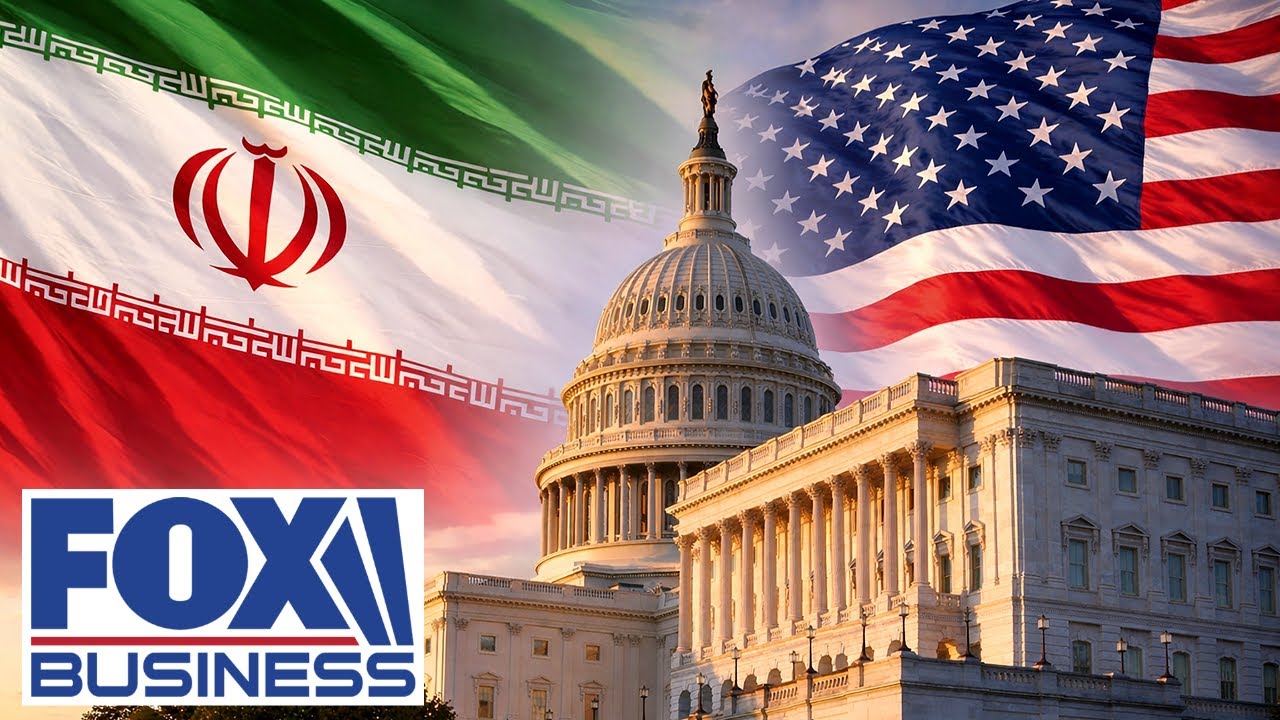
A fragile ceasefire appears to be in place between Iran and the United States, but is it really a ceasefire, or simply a brief pause before a new phase of conflict?In this episode of Eye for Iran, former CIA analyst and former National Security Council director Ken Pollack explains why he believes both sides may not have agreed to the same terms, and why the current moment could still lead to renewed escalation. He also warns that if this war ends with the regime intact, the Iranian people may once again be left to pay the price.
Then, writer, activist, and Middle East expert Dalia Ziada breaks down the regional fallout. She explains why many Arab states, especially in the Gulf, feel sidelined despite being directly affected by the conflict, and why frustration is also growing over Pakistan’s role.
Finally, investigative reporter Jay Solomon joins us to discuss his months-long investigation into Calla Walsh, the 21-year-old American activist who has become a prominent voice amplifying the Iranian regime’s narrative. How did her radicalization happen, and why does it matter?
Watch the full episode of Eye for Iran, and subscribe for more in-depth interviews and analysis.
Contents for this video:
00:00 Fragile ceasefire or pause before escalation?
01:42 Ken Pollack joins: what this “ceasefire” really means
03:24 Why Washington and Tehran are talking past each other
07:05 Will the Iranian people be abandoned again?
13:27 What a new phase of war could look like
17:24 Trump’s messaging to the people of Iran
23:02 Is regime change still possible?
30:51 Why Gulf states may move closer to Israel
36:51 Dalia Ziada: regional fallout and Arab frustration
39:11 Could this accelerate Arab-Israeli alignment?
44:02 Pakistan’s role and Saudi disappointment
47:08 Lebanon, Hezbollah, and Iran’s regional reach
49:37 Qatar rethinking ties to Tehran?
52:10 Jay Solomon: who is Calla Walsh?
54:29 Cuba, radicalization, and Tehran’s influence
01:00:36 How Walsh became part of Iran’s narrative machine
01:05:14 Why Gen Z radicalization should worry the West
01:07:37 Is this Iran exporting its revolution?
01:09:46 Subscribe for more Eye for Iran
#iran #usa #israel #war #ceasefire #pakistan #youtube #shorts #youtubeshorts #news #podcast #middleeast Receive SMS online on sms24.me
TubeReader video aggregator is a website that collects and organizes online videos from the YouTube source. Video aggregation is done for different purposes, and TubeReader take different approaches to achieve their purpose.
Our try to collect videos of high quality or interest for visitors to view; the collection may be made by editors or may be based on community votes.
Another method is to base the collection on those videos most viewed, either at the aggregator site or at various popular video hosting sites.
TubeReader site exists to allow users to collect their own sets of videos, for personal use as well as for browsing and viewing by others; TubeReader can develop online communities around video sharing.
Our site allow users to create a personalized video playlist, for personal use as well as for browsing and viewing by others.
@YouTubeReaderBot allows you to subscribe to Youtube channels.
By using @YouTubeReaderBot Bot you agree with YouTube Terms of Service.
Use the @YouTubeReaderBot telegram bot to be the first to be notified when new videos are released on your favorite channels.
Look for new videos or channels and share them with your friends.
You can start using our bot from this video, subscribe now to Iran-US ceasefire: pause before escalation or deal? | Eye for Iran | EP 98 |
What is YouTube?
YouTube is a free video sharing website that makes it easy to watch online videos. You can even create and upload your own videos to share with others. Originally created in 2005, YouTube is now one of the most popular sites on the Web, with visitors watching around 6 billion hours of video every month.