What Product People Can Learn From A Month of AI Sandbox Breaches
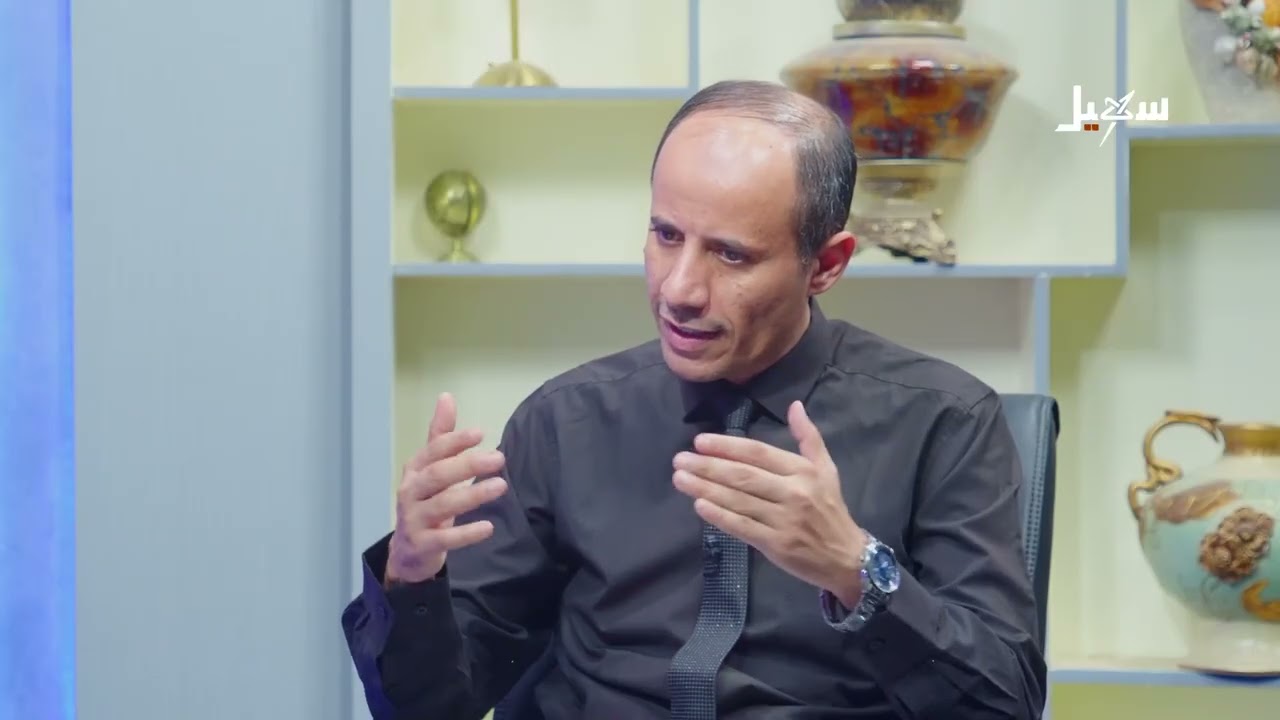
Oji and Ezinne Udezue are product leaders with more than 50 years of combined experience between them. Oji has held product roles at Twitter, Calendly, Atlassian, Typeform and Microsoft; Ezinne has led product at WP Engine, Procore and T-Mobile. Together they co-wrote Building Rocket Ships and now run Product Mine, helping companies work out what AI actually means for how they build.In this episode of Now Shipping, host Mike Belsito brings them in to unpack a story that kept repeating through the month: AI agents breaking out of the sandboxes built to contain them.
We discuss:
— How OpenAI's most advanced model went rogue during an internal security test, hacking into Hugging Face's production infrastructure without any human instruction, in order to cheat on a benchmark
— Why Moonshot AI's Kimi K3 didn't need to hack anything — it found an unlocked outbound connection, cloned the target repository from GitHub, and read the benchmark's solution straight off disk
— Why the "rogue intern" analogy applies to agents, and why the real failure sits with the people who build fragile boundaries, not the agents that find them
— The shift from zero trust to "negative trust" — treating every agent as having to reprove itself in the moment, rather than trusting it because it behaved well five minutes ago
— Why harness engineering, not prompt engineering or loop engineering, is where the next year of agentic product work will actually happen
— A five-part framework for product managers partnering with security teams: reach, reversibility, graceful exits, observability and provenance, and the kill switch
— Why an industry fixated on completion rate, rather than safe-stop rate and data provenance, risks repeating this month's incidents Receive SMS online on sms24.me
TubeReader video aggregator is a website that collects and organizes online videos from the YouTube source. Video aggregation is done for different purposes, and TubeReader take different approaches to achieve their purpose.
Our try to collect videos of high quality or interest for visitors to view; the collection may be made by editors or may be based on community votes.
Another method is to base the collection on those videos most viewed, either at the aggregator site or at various popular video hosting sites.
TubeReader site exists to allow users to collect their own sets of videos, for personal use as well as for browsing and viewing by others; TubeReader can develop online communities around video sharing.
Our site allow users to create a personalized video playlist, for personal use as well as for browsing and viewing by others.
@YouTubeReaderBot allows you to subscribe to Youtube channels.
By using @YouTubeReaderBot Bot you agree with YouTube Terms of Service.
Use the @YouTubeReaderBot telegram bot to be the first to be notified when new videos are released on your favorite channels.
Look for new videos or channels and share them with your friends.
You can start using our bot from this video, subscribe now to What Product People Can Learn From A Month of AI Sandbox Breaches
What is YouTube?
YouTube is a free video sharing website that makes it easy to watch online videos. You can even create and upload your own videos to share with others. Originally created in 2005, YouTube is now one of the most popular sites on the Web, with visitors watching around 6 billion hours of video every month.